


Jammu and Kashmir Delimitation
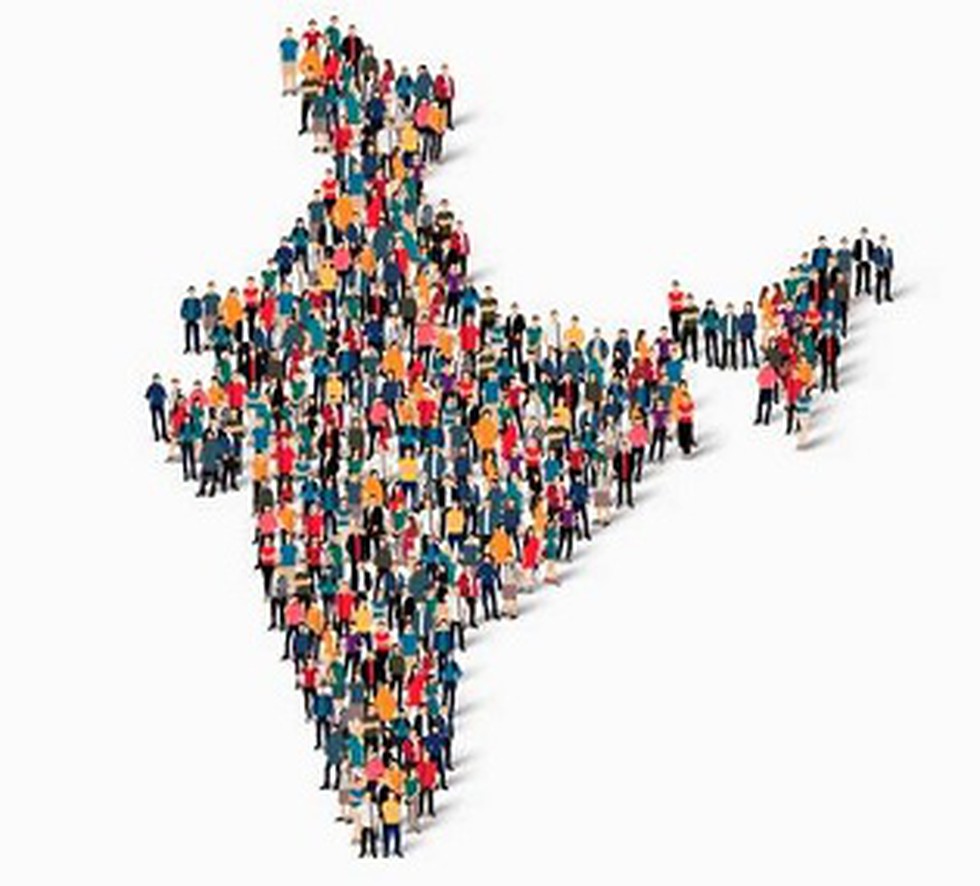
Since the bifurcation of Jammu and Kashmir state into the UTs of J&K and Ladakh, delimitation of their electoral constituencies has been inevitable.
- Meaning: Delimitation is the act of redrawing boundaries of Lok Sabha and state Assembly seats to represent changes in population so that the population of all seats, so far as practicable, is the same.
- The main objective of delimitation is: To provide equal representation to equal segments of a population; fair division of geographical areas so that one political party doesn’t have an advantage over others in an election.
- Constitutional provisions: Under Article 82, the Parliament enacts a Delimitation Act after every Census.
Delimitation Commission:
- Delimitation is carried out by an independent Delimitation Commission.
- Once the Delimitation Act is in force, the Union government sets up a Delimitation Commission made up of a retired Supreme Court judge, the Chief Election Commissioner and the respective State Election Commissioners.
- The Constitution mandates that its orders are final and cannot be questioned before any court as it would hold up an election indefinitely.
- Delimitation Commissions have been set up four times — 1952, 1963, 1973 and 2002 under the Acts of 1952, 1962, 1972 and 2002. There was no delimitation after the 1981 and 1991 Censuses.
Important Info :
Suspension of delimitation:
- The southern states that promoted family planning faced the possibility of having their seats reduced. To allay these fears, the Constitution was amended during Indira Gandhi’s Emergency rule in 1976 to suspend delimitation until 2001.
- Although the freeze on the number of seats in Lok Sabha and Assemblies should have been lifted after the 2001 Census, another amendment postponed this until 2026.
Image Credits: https://eci.gov.in/delimitation-website/delimitation/
Source: Indian Express

You may also like
NATIONAL HEALTH MISSION (NHM)
10 October, 2019
Tuberculosis India Report 2019
27 September, 2019

PMJAY to offer Teleconsultation
25 September, 2019